Immune System Maxxing After Age 50
Jul 10, 2026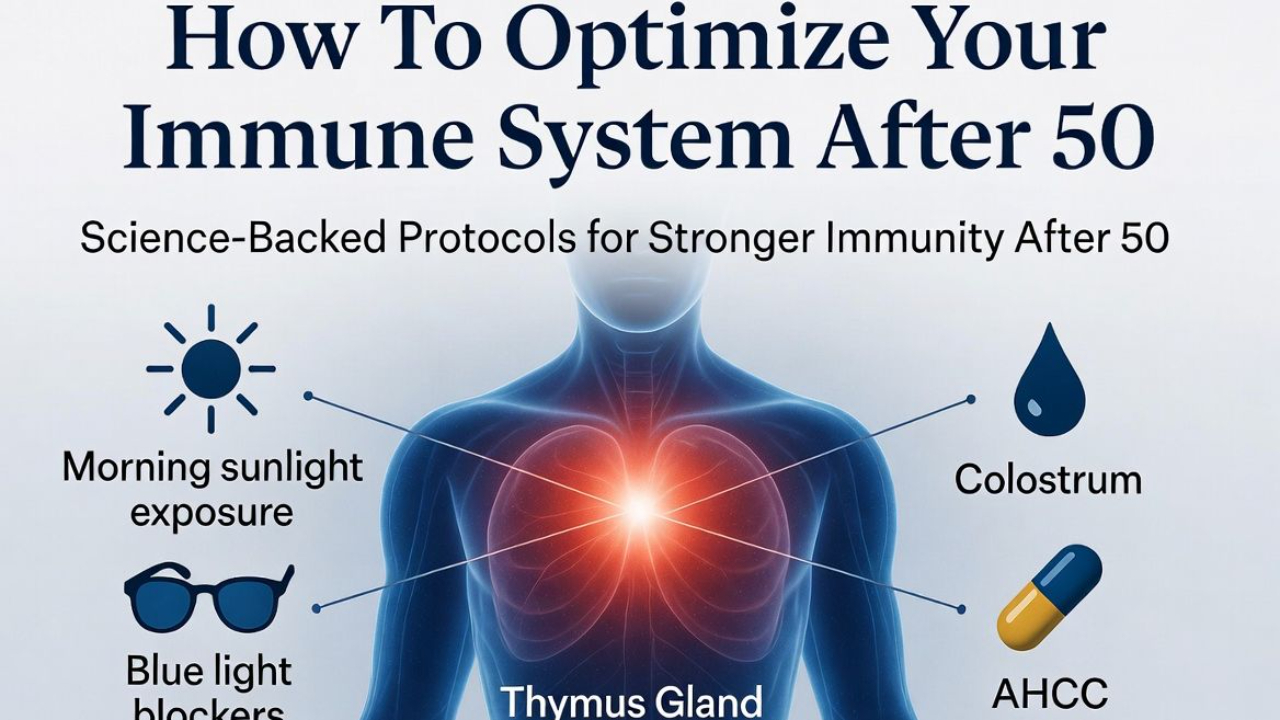
Your immune system naturally weakens with age in a process called immunosenescence. Research shows changes begin earlier than you think, with decline gaining speed around age 50 and then a big functional hit by age 60. By that second hit, thymic output of naive T-cells drops dramatically, cancer and infection risk rises and chronic inflammaging begins.
What we've also seen these last few years with the china virus and the shots that came along with it is that they can act as immune system suppressors too.
The good news is you can partially reverse this decline and improve your immune function which makes it harder for things like cancer to develop.
Here's the quick guide I made for you. Bookmark it. Print it out. Send it to your friends and parents. Post it to your social media.
Step 1: Bright Days Dark Nights
Your circadian rhythm controls immune cell timing, cytokine balance and inflammation. As you age these rhythms flatten and get out of whack easier which makes immune decline faster. Bright daylight exposure entrains your master body clock which optimizes innate and adaptive immunity. Dark nights allow melatonin to support immune system repair and reduce inflammaging.
You can see how this works in "Perfect timing: circadian rhythms, sleep, and immunity" by Haspel et al 2020. 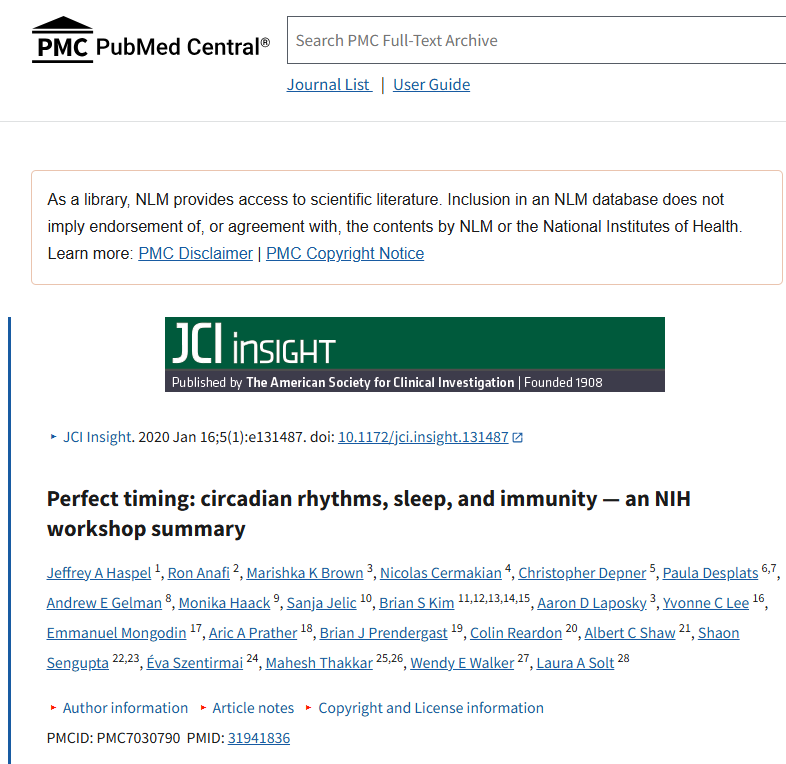
To best support and fortify your immune system, you need to start getting outside in the morning and throughout the day for bright full spectrum sunlight. Indoor day artificial light is way to DIM for your circadian system. If you can't get outside much, you need to get a healthy bright light supplement. I would suggest a Chroma Sky Portal or the RA Optics Lumios SKY LED. Sunlight also gets you infrared light to make melatonin and boosts vitamin D.
Dim lights as low as possible and cut out blue light after sunset. Wear blue light blocking glasses that actually work (see my top 5 here) and use special night coded warm lights that cut out the blue light and stop disrupting your circadian rhythm night after night. You can see my favorite night time healthy lights here.
Remember, just cause you can sleep with the lights on does not mean you are getting good healthy sleep!!!! This is one of the dumbest things I ever hear people say.
Step 2: Correct Deficiencies Of Vitamin D and Zinc
Vitamin D levels drop with age and chronic indoor living. Its best to get outside as much as you can and get your vitamin d from the sun. If you can't do that I would suggest a UVB vitamin d lamp. You can see my favorite vitamin d lamps here.
If the two options above are difficult then you can supplement. The major meta analysis "Vitamin D supplementation to prevent acute respiratory tract infections: Systematic review and meta analysis of individual participant data" by Martineau et al, BMJ 2017 showed supplementation significantly cuts acute respiratory infection risk in older adults with strongest effects in those who are deficient.
Vitamin d is huge. It regulates immune cells and antimicrobial defenses. Get it above 40.
Zinc deficiency is very common after age 50 and that deficiency reduces immune cell function. Test levels then use quality food sources like oysters or targeted supplementation. Oysters are Nature's perfect zinc supplement. If you hate the taste, you can take freeze dried oyster pills. Get them here.
A possible problem with using supplements is the unintended consequences they can cause. If you take too many zinc pills that can decimate your copper stores. So you need to monitor this and usually take copper the day after you take zinc supplements to balance.
Step 3: Pound High Quality Colostrum and AHCC
Good quality, cold processed bovine colostrum provides immunoglobulins, growth factors and peptides that strengthen immune and gut barrier function. The gut holds much of your immune tissue. The 2007 study "Prevention of influenza episodes with colostrum compared with vaccination in healthy and high-risk cardiovascular subjects" by Cesarone et al found colostrum was at least 3 times more effective than flu vaccination at preventing flu episodes in both healthy adults and high risk cardiovascular patients.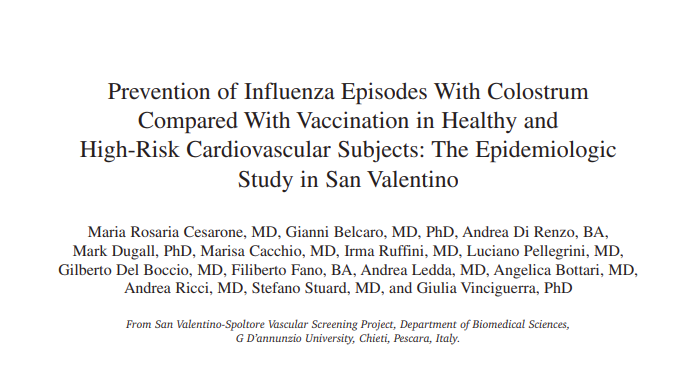
A 2023 randomized trial "The Effects of 12 Weeks Colostrum Milk Supplementation on Pro-Inflammatory Mediators" by Ooi et al showed it lowered CRP, IL-6 and TNF-alpha in older adults.
You need to get the good stuff though. You can find my 3 favorite colostrum brands here.
A supplement known as AHCC made from shiitake mycelia stands out in human trials. The Phase II randomized study "AHCC Supplementation to Support Immune Function to Clear Persistent Human Papillomavirus Infections" in Frontiers in Oncology 2022 by Smith et al showed 63.6% clearance in the AHCC group versus 10.5% in placebo with, and this is the key, broad immune cell activation including NK cells that went up 300 percent!
I take 4 of these exact AHCC pills a day on an empty stomach along with my colostrum and from testing, I definitely see my immune markers improve.
Step 4: Resistance Training Protein Sleep and Stress Management
Muscle loss makes your immune system decline faster. Multiple randomized trials in older adults show regular resistance training plus higher protein intake (1.2–1.6 g per kg body weight) improves immune markers, reduces inflammation and counters sarcopenia. Quality sleep with your dark night protocol is crucial because poor sleep directly worsens immunosenescence. Chronic stress raises cortisol and worsens inflammaging. Tools like HeartMath which i use daily and even vagus nerve stimulators like the VeRelief PRIME improve sleep, reduce stress, make you better able to handle stress and protect immune function.
Step 5: Reshi and Additional Supplements
Reishi β-Glucan Extract Another evidence-based mushroom-derived option is a standardized Reishi (Ganoderma lucidum) β-1,3/1,6-glucan extract. A 2023 randomized, double-blind, placebo-controlled trial published in Foods (“Evaluation of Immune Modulation by β-1,3;1,6-D-Glucan Derived from Ganoderma lucidum in Healthy Adult Volunteers, A Randomized Controlled Trial”) found that just 200 mg per day for 12 weeks significantly increased total lymphocytes, CD3+, CD4+, and CD8+ T-cells, improved the CD4/CD8 ratio, boosted NK cell counts and cytotoxicity, and raised serum IgA compared to placebo. These changes reflect both greater numbers of key immune cells and stronger functional activity. While the study was not conducted specifically in older adults, the immune markers improved are precisely those that decline with age. Reishi β-glucan is well-tolerated at this low dose and can be a simple daily addition for broader immune support.
Elderberry meta analyses show it reduces upper respiratory symptom duration so start these as soon as you feel any sickness symptoms. Beta glucans from other mushrooms like Maitake or Shiitake enhance NK cell and macrophage activity in human studies my favorite source is the colostrum beta glucan blend from Adapt Naturals. Omega 3s (EPA/DHA) reduce inflammaging per meta analyses in seniors. You gotta get super high quality pills though cause they go rancid and hurt more than help fast. This brand has my favorite source. A better way is to increase the amount of seafood you eat weekly. You can also take fish roe supplements like the ones I take here. Probiotics improve gut immune signaling in aging populations, the best way to do this is to find your favorite fermented food in the grocery store and eat daily (start slow). Selenium supports immune defenses so when levels are low, just eat one or two brazil nuts per day instead of taking the pills.
Step 6: Morning Lymphatic Boost And Grounding
This is a simple daily habit for extra lymphatic and immune support. The "Big Six" is a short sequence of gentle movements and pressure on six key areas (collarbone, side of neck, armpit/pectoral, abdomen, groin and behind the knees) done in order. It helps open lymphatic drainage points, moves fluid, clears waste and inflammatory debris.
You get bonus points when you do it grounded barefoot on grass or earth in morning sunlight. Morning light strengthens circadian signaling and immune regulation while grounding (direct earth contact) has been shown to reduce inflammatory markers that can make your immune system work overtime. Combining the two with this active lymphatic work creates a powerful low effort morning reset that moves lymph more effectively, lowers background inflammation and reinforces your circadian rhythm. Here's the video on how to do the Big Six. It takes 3 minutes.
Targeted Red Light Therapy on Your Thymus Area
Your thymus gland is a small, pyramid shaped organ located in your upper chest, directly behind your breastbone. It acts as the body's primary training ground for T-cells (white blood cells) and teaches them to fight infections and disease. Your thymus shrinks with age in a process called thymic involution. This is one of the biggest reasons T-cell production and adaptive immunity weaken after age 50 and 60. Emerging evidence shows red and near-infrared light (photobiomodulation) aimed at the thymus area can help slow or partially reverse that shrinkage.
The key paper is the 2018 review by Odinokov and Hamblin: "Aging of lymphoid organs: Can photobiomodulation reverse age-associated thymic involution via stimulation of extrapineal melatonin synthesis and bone marrow stem cells?"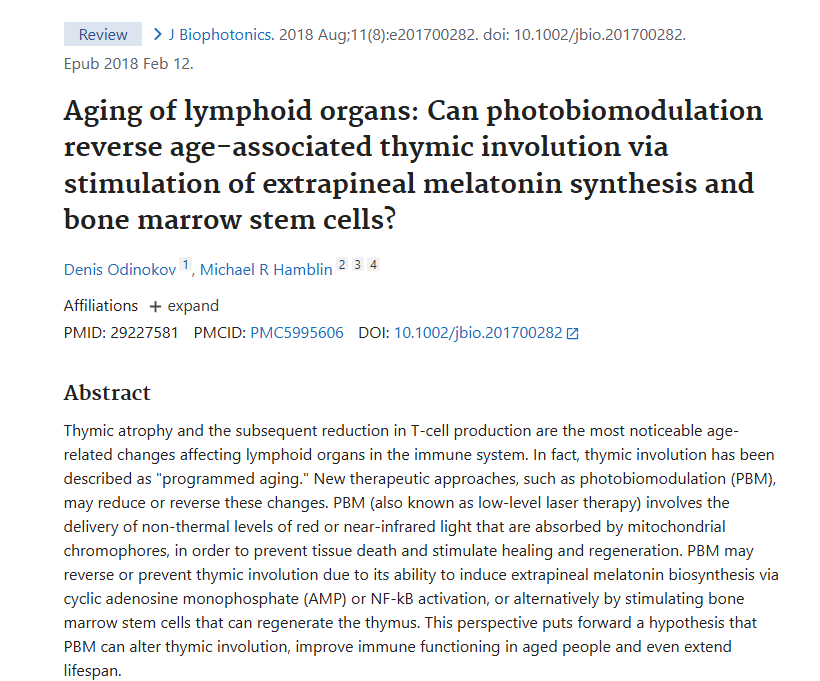
It lays out how red/NIR light can work through two main routes. First, they boost extrapineal melatonin production inside mitochondria and cells, which supports thymic regeneration and immune balance. Second, they can mobilize bone marrow stem cells that migrate to the thymus and help rebuild its structure and T-cell output.
Animal work backs this up. In one mouse study, applying red light directly to the thymus area in the center of the chest produced stronger improvements in immune cell function than shining it on a distant spot like the leg. Broader photobiomodulation research also shows increases in regulatory T-cells, better cytokine balance and reduced chronic inflammation.
Practical way to do this: Use a quality red/NIR panel or targeted device in the 660–850 nm range. I would suggest using a small red light therapy tool called a Chromatorch which you can see here or get a good red light therapy panel like the EMR Inferno PRO or Firewave. Aim the red light panel at or place the Chromatorch over your upper chest/sternum area for 10–20 minutes, several times per week. Ask Grok or Claude or whatever AI you use to show you exactly where your thymus is located, roughly about an inch down from where your collarbone meets your sternum.
Creatine: An Unexpected Immune Ally (Especially After 50)
Creatine is best known for building muscle and strength, but new research shows it also supercharges key immune cells. A July 2026 UCLA study published in iScience found that creatine significantly boosts dendritic cells which are the immune cells that detect threats and activate killer T cells. In mouse models of melanoma, daily creatine slowed tumor growth, increased the number and activity of dendritic cells inside tumors, and strengthened their ability to recruit and arm T cells. The same effects were seen when researchers tested human dendritic cells in the lab.
Creatine works by acting like a high capacity battery for immune cells. Dendritic cells (and T cells) need a lot of energy to function, especially in nutrient poor environments like tumors or inflamed tissues. Creatine raises intracellular ATP levels so these cells stay activated and effective longer. This builds on earlier work from the same UCLA lab showing creatine also directly powers killer T cells.
For adults over 50 this is particularly useful. We already lose muscle mass and immune cell energy with age. Creatine addresses both at once:
- It is one of the most proven supplements for preserving and building muscle (perfect with the resistance training in Step 4).
- It now appears to support the energy needs of dendritic cells and T cells which are the exact cells that weaken with immunosenescence.
Practical recommendation: Around 5 grams of creatine monohydrate per day. It is extremely well studied, cheap, and safe for long term use in older adults. Take it daily (timing doesn’t matter much). Pair it with your training days for the muscle benefits and you’ll get the immune bonus automatically. Dont buy just any creatine though as the low quality stuff doesnt work so well. My favorite creatine is here.
Advanced Option: Immune Supporting Peptides
Unless you been living under a rock, the peptide craze is here. People injecting all sorts of nonsense. Some good, some bad. But there are certain peptides may be able to help for age related immune system decline.
Thymosin Alpha 1 stands out as the strongest option. A 2025 review in the International Journal of Molecular Sciences highlights how it helps restore T-cell function, improves thymic output, enhances vaccine response in older adults and reduces inflammaging. It essentially works to bring your aging immune system closer to how it functioned when younger.
TB-500 (Thymosin Beta-4 fragment) is good for tissue repair, reducing excessive inflammation and it pairs well with Thymosin Alpha 1. BPC-157 is for gut healing and lowering systemic inflammation (the gut is a major immune hub). LL-37 offers direct antimicrobial support and strengthens innate immunity.
Vilon (a short Lys-Glu dipeptide) is another thymic bioregulator worth considering. Research (primarily from the Khavinson group) shows it stimulates thymocyte proliferation, supports T-cell maturation, helps normalize T-cell ratios, and reduces chronic low-grade inflammation. It appears to influence gene expression related to aging and immune regulation. Many people stack it with Thymosin Alpha 1 or Epitalon for broader thymic and immune support. While the body of evidence is smaller and more concentrated in bioregulator research than Thymosin Alpha 1, the mechanisms line up well with countering immunosenescence.
Work only with knowledgeable medical experts who understand peptide therapy, sourcing, dosing, and monitoring. If you use these wrong they will hurt you. Poor quality or contaminated peptides or improper use can create problems rather than solve them.
I dont "pin" peptides but I do occasionally do limited one week or two week peptide pill protocols. I get most of my peptide pills from these guys.
I do know a few peptide experts. DM me if you would like their info.
Monitoring Section: Track These Key Immune Markers
Get baseline bloodwork before you start doing this stuff and then recheck every 3–6 months while running this protocol. Here are the most practical and informative immune related labs to track for older adults.
I like to have all my lab info right on an app in my phone so I use a lab testing company called Function.
Besides the basic numbers every doctor checks, here are a couple more key immune markers to improve.
Absolute Lymphocyte Count (ALC) measures total circulating lymphocytes (T-cells, B-cells, and NK-cells) which are the important players in adaptive immunity. Low ALC (below 1,500, especially under 1,000) means fewer of these cells are available. This directly weakens your ability to fight viruses, bacteria and new threats leading to more frequent or prolonged infections, poorer vaccine responses and slower recovery. In older adults it is a strong predictor of frailty and higher overall mortality risk.
(The protocol, especially vitamin D, zinc, AHCC, sleep, training, thymus-targeted light, daily lymphatic work, and targeted peptides when appropriate reliably supports higher ALC.)
Lymphocyte/Monocyte Ratio (LMR) compares lymphocytes (adaptive, specific immunity) to monocytes (which drive inflammation). A lower ratio means relatively more inflammatory monocytes and fewer lymphocytes. It signals chronic inflammaging, unbalanced immunity and a shift toward persistent low grade inflammation rather than balanced defense. Low LMR (<4) is linked to higher risks of infections, cardiovascular disease, frailty and poorer outcomes in older adults.
hs-CRP (high-sensitivity C-reactive protein) tracks systemic inflammation. High levels (above 1–3, especially above 3) mean ongoing chronic inflammation that damages tissues, suppresses effective immune responses and accelerates immunosenescence. It contributes to inflammaging which wears down your defenses over time, raises infection risk, promotes arterial plaque and speeds overall aging. Bringing it down is one of the best things you can do for long term immune resilience. Colostrum trials showed clear reductions in hs-CRP.
Vitamin D (25-OH). Everyone knows this one. You want to target 50–80 ng/mL for immune optimization. Directly tied to ALC and infection resistance. Sun is best but supplement if you must.
The Bottom Line for Adults Over 50
Age related immune system decline is real. The "pandemic" accelerated that immune system decline for the over 50 crowd and people even younger.
But the good news is that with targeted protocols like the ones above, you can build it back to levels where it can put up a good fight. The best part is you can now run your own lab tests and see for yourself the improvement all of the above causes. You just gotta do it. So do it.
WANT TO LEARN MORE ABOUT LIGHT & HEALTH?
Sign up below now to get the free Blue Light Diet cheat sheet to light and health.
We hate SPAM. We will never sell your information, for any reason.
